My longest reading slump lasted approximately ten years, so I guess you can say I know how to play the long game. For someone who has consumed books like oxygen from the second my father taught me how to read, ten years seems absolutely incomprehensible. And yet, it happened. Now, to be clear, I was definitely reading over those ten years…those ten years saw the completion of my BA in English, my brief foray into a creative writing MFA program, and the first rocky years of my teaching career.
So when I say I was reading, ya girl was most definitely reading. However, my reading was all out of necessity. It was required reading, it was research, it was driven entirely by a sense of obligation and productivity. I wasn’t picking up the latest new release and spending my evenings luxuriating as I consumed a book simply to enjoy consuming a book. No, I was reading to fight for my metaphorical life in a discussion-based seminar class, or poring over countless satire novels as I collected data for my senior thesis, or dissecting the classics in order to create painstakingly thorough units that would make literature and writing instruction accessible for my students. I was burning myself out in order to claw my way out of the new teacher trenches on the blind hope that eventually the scales of my work-life balance would tip back a bit toward life.
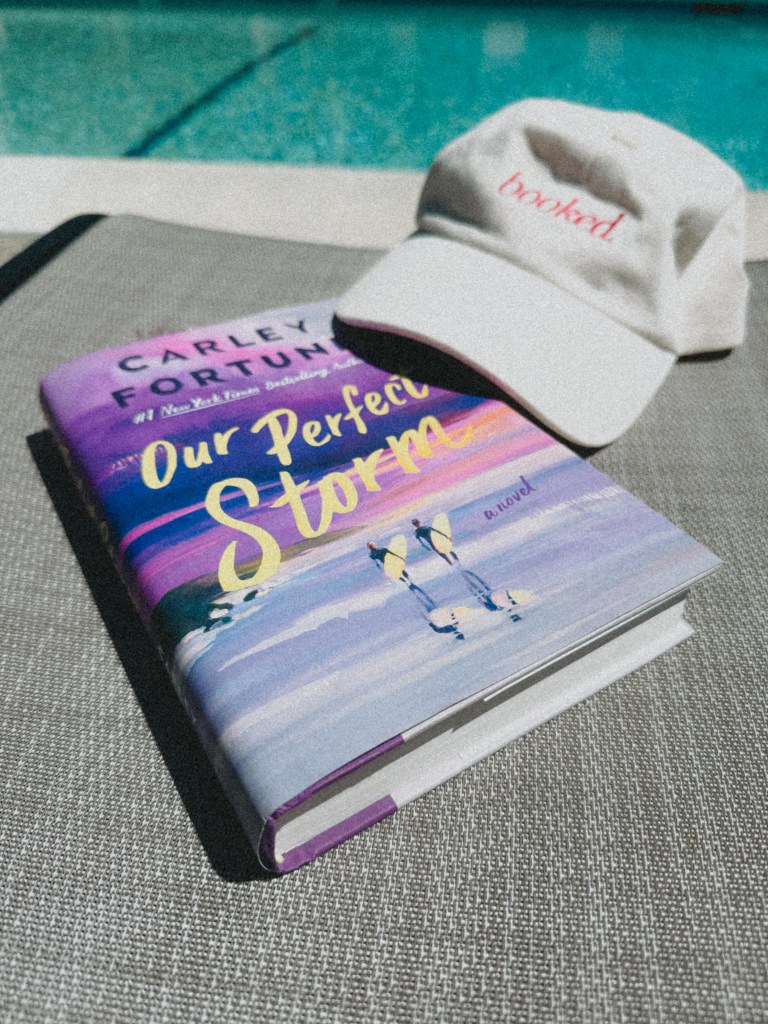
Reading had become a luxury that I could no longer afford to fit into my schedule and my well-being paid the price for it. And while this part of the story is part of a larger conversation for another time, essentially I learned over the course of a couple years of trial and error that a key component in managing my teacher burnout was actually to…READ MORE. This activity that I’d been shoving to the back burner for the better part of a decade because it required so much mental energy for me to continue prioritizing it in my routine did in fact help me strike a more even balance between my work demands and my free time. Because it was an activity I was allowing myself to participate in for purely “selfish” reasons, it felt like an indulgence, like I was treating myself. And it turned out to be exactly what I needed in order to be able to return back to myself.
For casual readers, I imagine reading slumps are hardly even noticeable. Depending on what research you’re looking at, casual readers consume anywhere from 4 to 15 books per year, so going a month or two without feeling called to pick up their current read isn’t really that far out of the ordinary. But for more voracious readers like myself, that range of 4 to 15 books is more accurate to our monthly numbers, not yearly. So when my reading slows down, I know that I need to pay attention, because reading slumps give me data. They let me know when my priorities may have unintentionally shifted in favor of circumstances, tasks, people, or events that require more energy from me. They remind me of how necessary things like stillness, rest, and reflection are, and they nudge me (sometimes gently, sometimes not) back toward myself.


Leave a comment